cooking · pumpkin · recipe

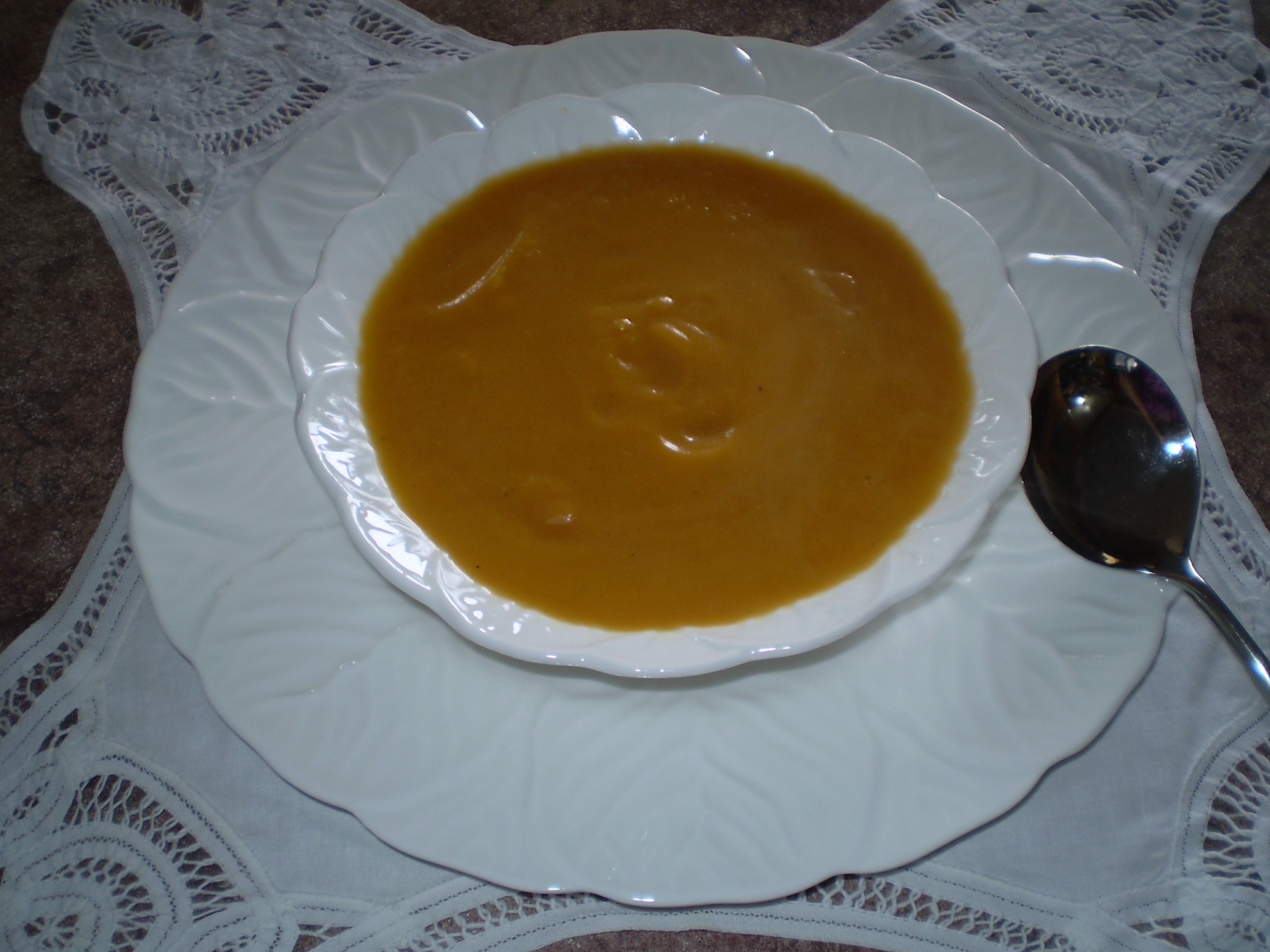
Never Say Never…To Pumpkin Soup!

I’ve never met a child yet, or adult for that matter, who enjoys every single food item offered to them. Children in particular will favour certain foods over others and simply refuse to eat some things.

As a child, I absolutely refused to eat two vegetables; brussell sprouts….and pumpkin. They were two food items on my list of I-will-never-ever-eat-those!

That isn’t to say that I don’t admire the growing process of pumpkins. There is no more a homely site than seeing a pumpkin vine growing, twisting its leaves, branches and tendrils up and over a backyard garden shed, leaving a newly growing pumpkin or two firmly atop the roof!

Therefore, knowing my lifelong dislike of pumpkins from a first-hand point of view, you can imagine my surprise when my own sister suggested we make up a pan of pumpkin soup for our dinner one night, whilst on an overnight visit to my home!

In my efforts to show myself to be an agreeable hostess (but totally against my better judgement) I agreed on a trip to the supermarket to purchase the required ingredients. There were obviously no stray pumpkins lying around in my kitchen, waiting to be transformed into a pot of soup!

My sister and I worked together, preparing what she assured me I was going to enjoy…..I made no promises to that effect!

By the time my sister began ladling the blended concoction into bowls, I must admit that the smell of this soup wasn’t as bad as I had imagined.

Maybe just a little, tiny, weenie taste….

To cut a long story short, I have enjoyed pumpkin soup from that day to this! I have even ventured as far as baking pumpkin in the oven, along with other vegetables, on nights we have a roast for dinner.

The moral of the story? Never say never…especially to pumpkin soup! 🙂

Pumpkin Soup

3 teaspoons butter

1 brown onion, chopped
1 clove of garlic, crushed

1 stalk of celery, chopped

1 whole butternut pumpkin, peeled and cubed

4 cups of chicken stock

2 teaspoons of finely chopped marjoram

1 bay leaf

Pepper to taste

1 cup of buttermilk or milk

Parsley to garnish

Melt the butter in a large saucepan over medium heat and add the garlic, onions and celery. Cook about 5 minutes, until the onion is soft.

Add the pumpkin, stock, marjoram, bay leaf and pepper. Raise the heat slightly and bring to the boil. Cover the pan and simmer gently for approximately 20 minutes, or until the pumpkin is soft. Remove the bay leaf.

Allow the soup to cool for a few minutes and puree the soup, either in a food processor or with a hand held blender. Return the soup to the pan.

Add the buttermilk and stir through the soup until blended. Heat gently, without boiling. Ladle soup into serving bowls and garnish with parsley.

**Tip** If you wish to freeze the soup for later use, do so before the buttermilk is added. When thawed, heat the soup, add the buttermilk and gently reheat again.

cooking · recipe

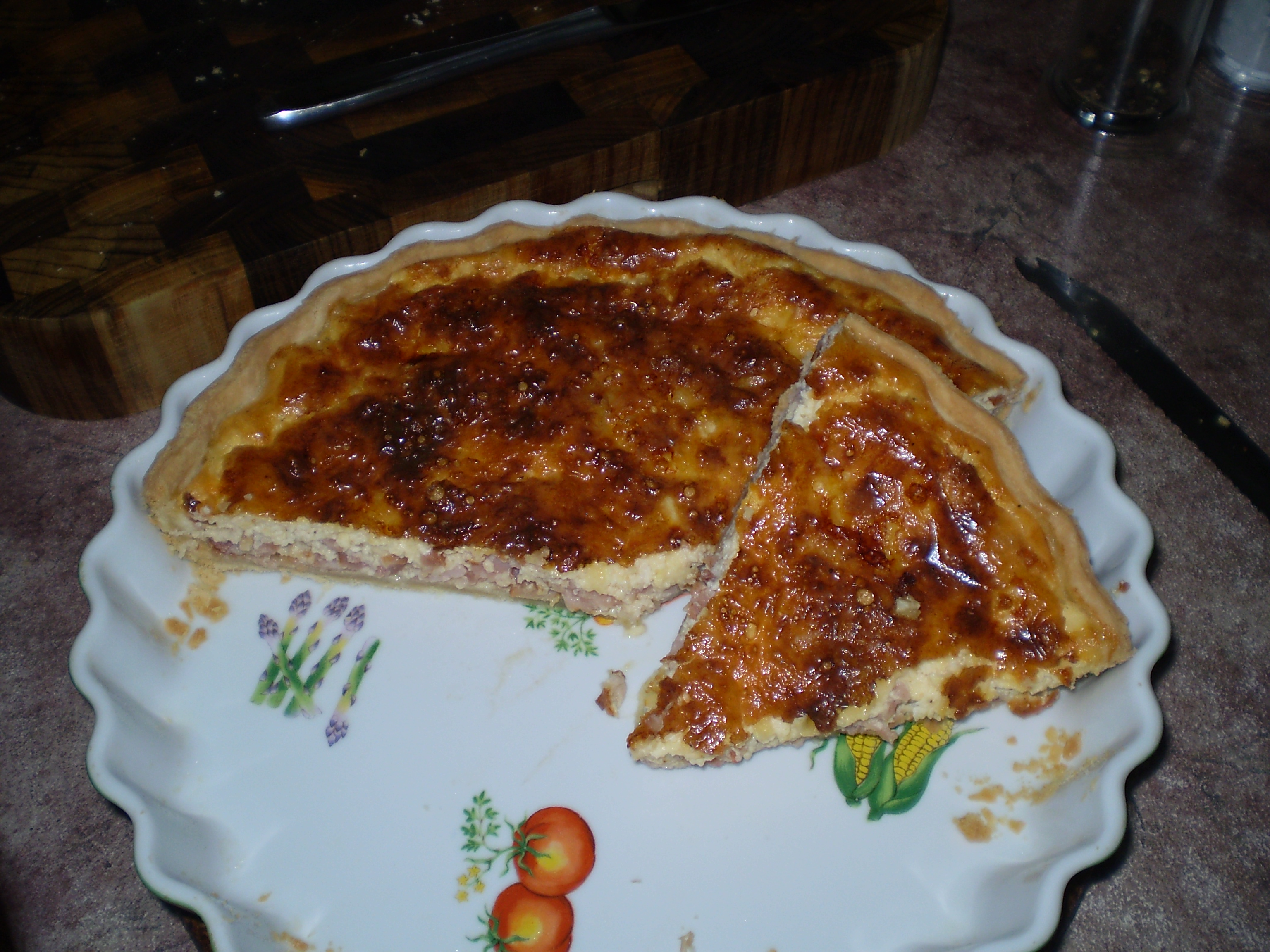
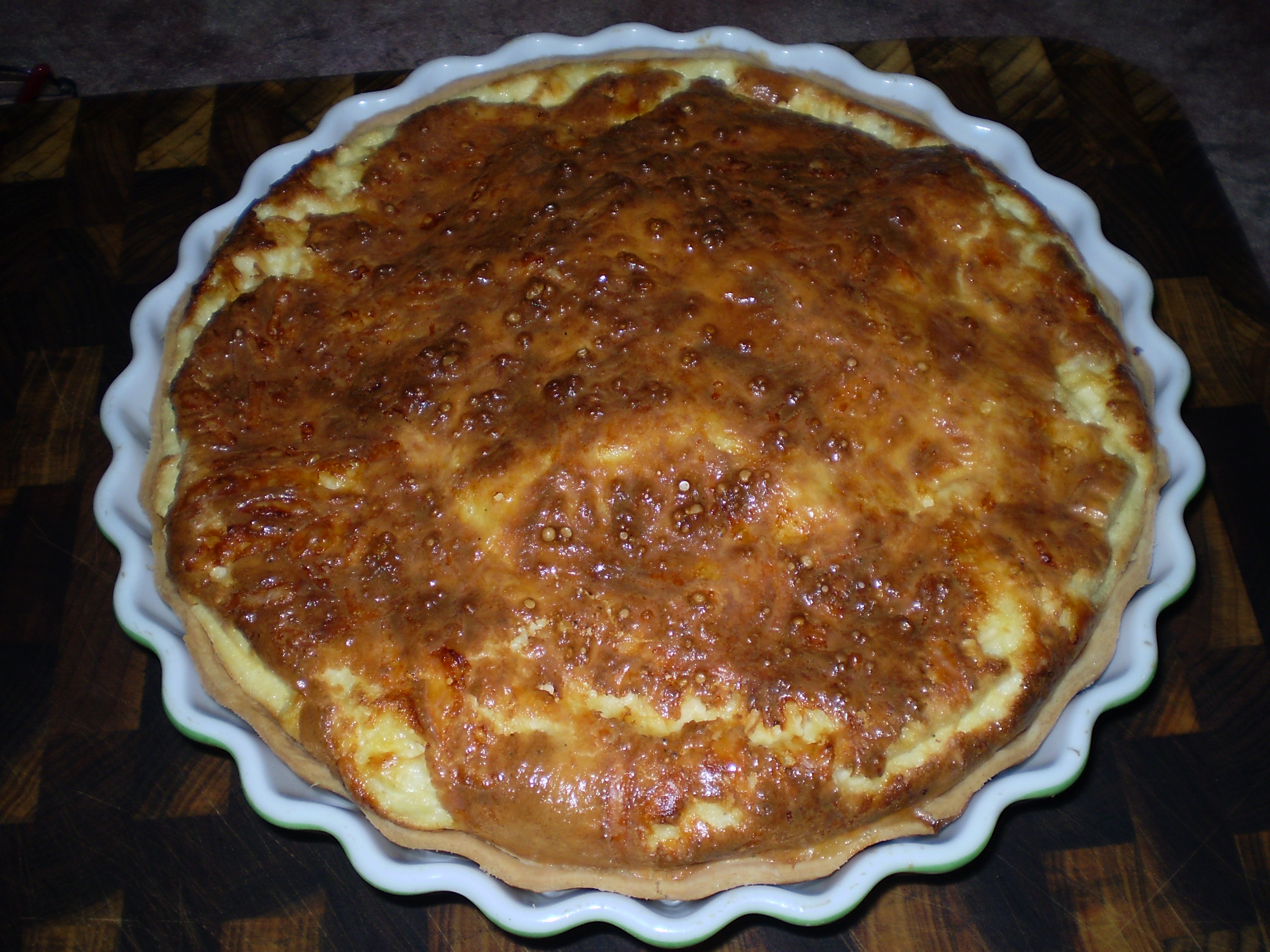
Fashionably Unfashionable Quiche Lorraine

There are certain meals that I like to prepare for my family, which I never tire of preparing, or eating for that matter. Quiche Lorraine is one of those meals.

Yes, I know, quiche is out of fashion, having its height of popularity during the 1970’s and early 1980’s, but what can I say? I’m just an old fashioned person! I also favour wood grained furniture and flannelette pyjamas, but are they fashionable…..? No, I don’t think so.

Whilst watching the cooking channel on television recently, chef and restauranteur Rick Stein made the comment that following fashions in food is silly really. If you were to eat only the fashionable foods look how much great food you would be missing out on!

I agree wholeheartedly with Rick Stein, especially so where quiche is concerned.

My recipe is so easy to make (and yes, I have been making this very same quiche since the late 70’s!) The pastry is smooth and easy to work with and there is no need to “blind bake” the pastry case before adding the filling.

Quiche is so versatile. It is a wonderful choice for Sunday brunch, a perfect accompaniment for a picnic lunch and is equally satisfying served as part of your main dinner at the end of the day.

Enjoy your quiche….and enjoy being fashionably unfashionable, just like me! 🙂

Quiche Lorraine

Preheat oven to 190 degrees C.

Pastry ~

1 ½ cups plain flour

Pinch of salt

1 egg

60g butter

3 tablespoons water

Sift the flour and salt into a bowl. Rub in the butter until the mixture resembles breadcrumbs.

Add the egg and water and mix together to form a dough. Knead lightly on a floured board, then wrap and chill for 30 minutes or until required.

Roll out the pastry to fit a 20 or 23 cm fluted pie plate or tin. Press the pastry well into the fluted edge. Trim the pastry level with the top of the plate, being careful not to stretch the pastry as you trim the edges.

Filling ~

5 rashers of bacon

4 eggs

½ a cup of milk

¾ cup of cream

Pinch of salt and nutmeg

½ a cup grated cheese.

Chop the bacon into small pieces and fry in a small frypan. Drain away the fat and sprinkle bacon into the bottom of the pastry case, along with the grated cheese.

In a bowl, whip together the eggs, milk, cream, salt and nutmeg. Carefully pour over the top of the bacon and cheese.

Bake in the preheated oven for approximately 40 minutes, or until the egg mixture is firm and golden.

cakes · cooking · Mum · nostalgia · recipe

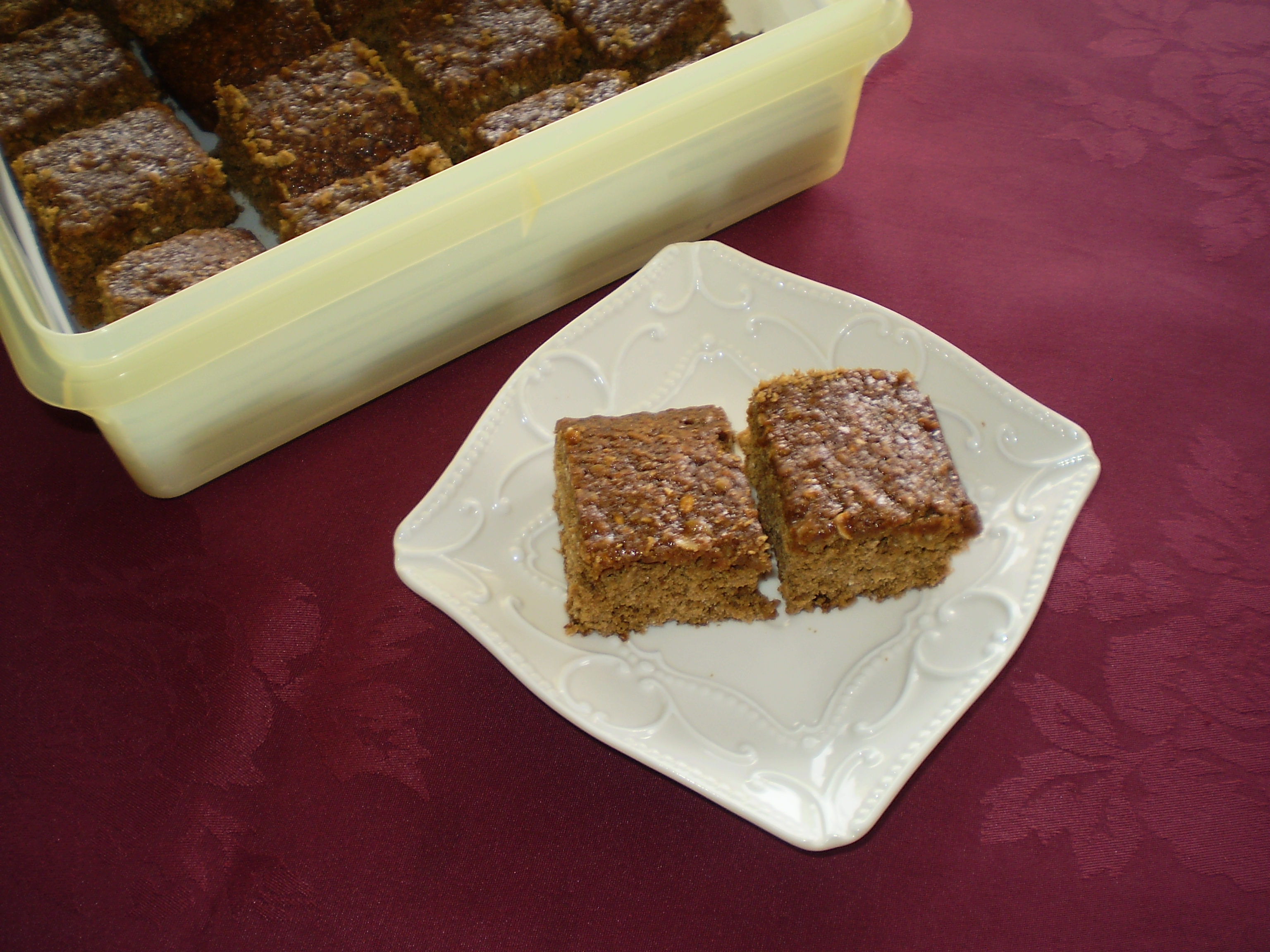
Parkin

Staying with the same theme as my last food post for Eccles Cakes, I have another recipe from England, also my mother’s recipe and another recipe that I enjoyed making as a child and teenager myself.

In fact, as a teenager, I would often make Parkin on the weekend to take to work with me during the following week for my morning tea each day.

Parkin is at its best two or three days after baking, by which time the flavours of the ingredients have had time to “marry” and the flavour of the ginger is intensified. It will keep for two to three weeks, stored in an air-tight container.

The history of Parkin is of interest to me, as it originated in Yorkshire, England and is also widely eaten in Lancashire. Although my mother came from Cheshire, her mother’s (my grandmother’s) family came from Yorkshire. Which leaves me wondering, did my grandmother pass this recipe on to my mother?

Parkin is traditionally served on bonfire night, known as Guy Fawkes Night in England. It was at a bonfire night that my parents first met.

With so much personal history associated with Parkin, is it any wonder that I love it so much myself? 🙂

Parkin

110g self raising flour

220g fine to medium oatmeal

110g brown sugar

1 teaspoon ground ginger

½ teaspoon cinnamon

80g butter

220g treacle

1 egg

5 tablespoons milk

Pre heat the oven to 160 degrees C.

Mix together in a bowl the flour, oatmeal, ginger and cinnamon.

In a small saucepan, heat together the butter, treacle and brown sugar. Stir over a low heat until the butter is melted.

Add the treacle mixture to the dry ingredients along with the milk and egg.

Beat together until you have a smooth batter.

Place the batter into a greased and lined 18cm x 28cm baking tin.

Bake for approximately 35 minutes or until the cake is firm. Leave in the baking tin to cool. Cut into serving sized squares a day or two after baking.

cooking · dad · Mum · nostalgia · recipe

Eccles Cakes.

When I smell dried fruits and spices they remind me of happy days, spent with my mother, baking in her kitchen. When heat is added to the fruits and spices, the aroma is even more intense.

These are my memories now, as I bake Eccles Cakes again.

Mum never baked them often enough for my liking. Funny though, I have only realised today that my own children do not know the pleasure of tasting a freshly baked Eccles Cake! I’m sure they will enjoy them as much as I do.

Dad knew Eccles Cakes by another name, “Dead Fly Pies”, but don’t let that name put you off trying them!

Not surprisingly, these delicious delights originated in Eccles, being first sold commercially at a corner shop in 1793. Eccles is a town in the City of Salford, which is part of the greater Manchester area. My own family originates from this area.

A similar recipe for Eccles Cakes has even been discovered which dates them back to 1769 in Cheshire, however the recipe I am sharing with you today is my Mum’s recipe, origin unknown.

Footnote :  I made my batch of sixteen Eccles Cakes today at around 2pm. It is now 6pm and there are only two left. The decision is unanimous, my family all want more Eccles Cakes! 🙂

Eccles Cakes

Preheat oven to 220 degrees C.

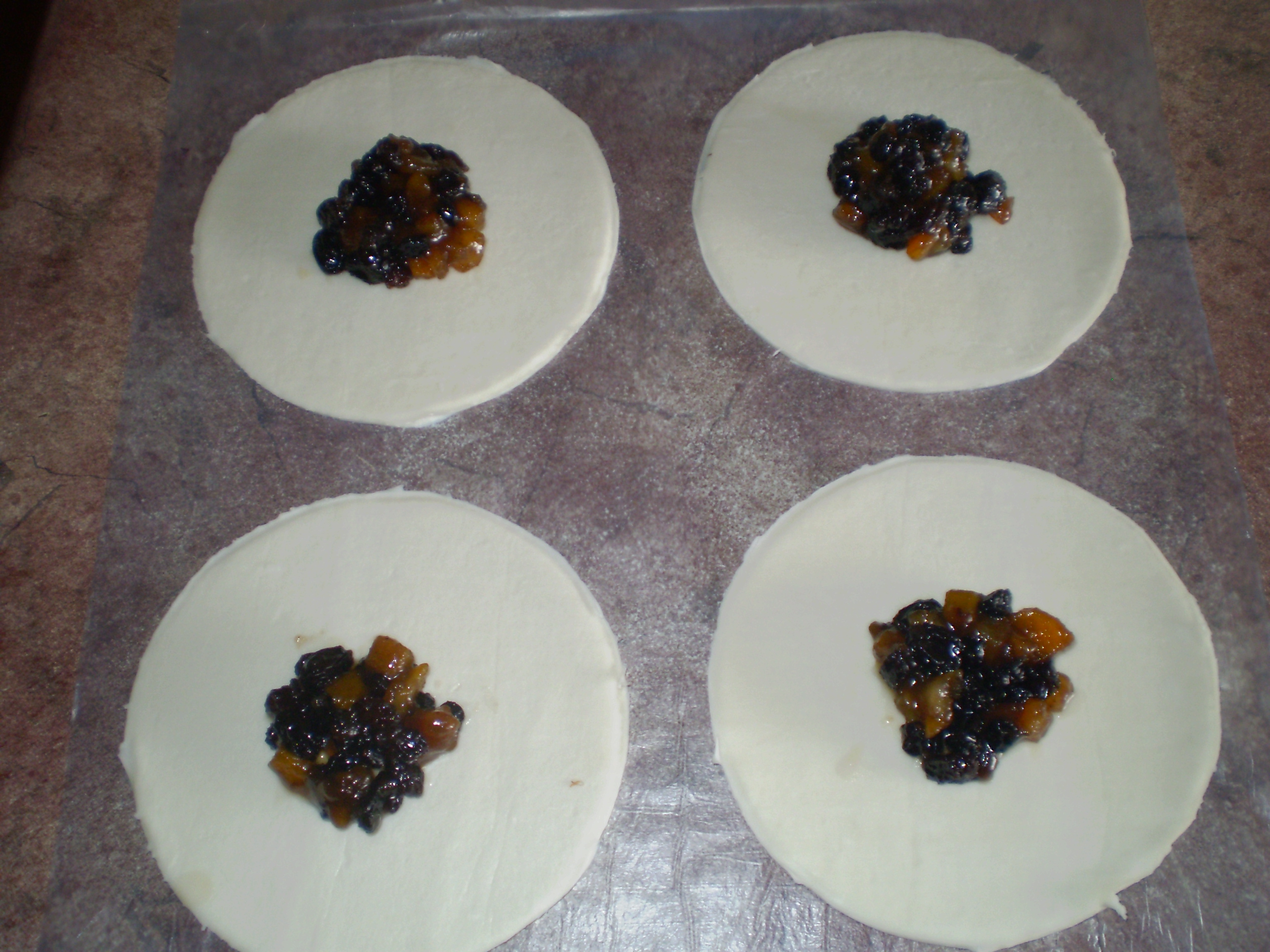
Mixture in the rounds

Mix in a small saucepan over a low heat –

100g currants

60g mixed peel

60g melted butter

50g brown sugar

A pinch each of nutmeg & mixed spice

Stir until butter has melted and allow the mixture to cool.

Cut 16 x 10cm (4 inch) rounds out of 4 sheets of ready rolled puff pastry.

Place 1 teaspoon of cooled mixture into the centre of each round of pastry. Draw up the edges of the pastry around the mixture and pinch together to seal. Turn over and gently roll the rounds until the imprint of the currants show through the pastry.

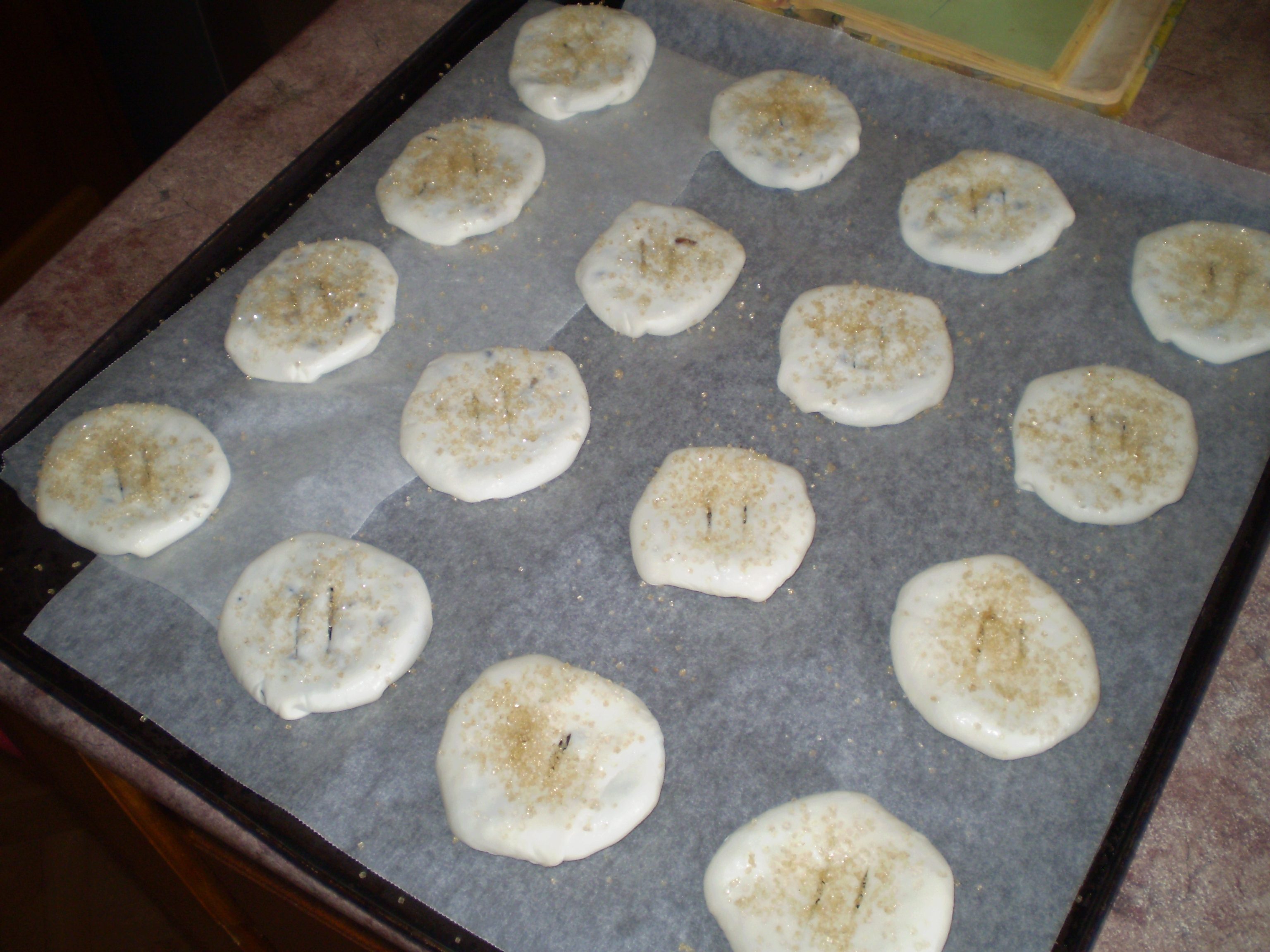
Ready for the Oven

Cut 2 slits in the top of each round and glaze with a lightly beaten egg white. Sprinkle the top of each round with raw or caster sugar.

Bake for approximately 20 minutes, or until golden brown.

Eccles Cakes
cooking · desserts · lemon · pies · recipe

Lemon Meringue Pie

Don’t you just love a dessert recipe which is not only easy to prepare, but it looks as though you slaved away in the kitchen all day to prepare?

My Lemon Meringue Pie recipe is not only one of the simplest recipes ever, it is also eye catching and the taste is, well, simply divine!

The meringue will be more light and fluffy if you remember to take the eggs out of the refrigerator an hour or two before baking, bringing them to room temperature. You will know if the egg whites are beaten enough by tipping the bowl (carefully!) upside-down. If the egg white sticks to the bowl, you know they are ready!

Served hot or cold, this desert is a firm favourite.

Lemon Meringue Pie

Pastry – 2 cups plain flour

Lemon Meringue Pie

Pinch of salt

1 tablespoon icing sugar

185g butter

1 tablespoon lemon juice

1 to 2 tablespoons icy cold water

Sift the flour, salt and icing sugar into a basin. Chop butter roughly and rub into the dry ingredients until the mixture resembles bread crumbs. Add the lemon juice and sufficient water to mix the pastry to a firm dough. Refrigerate for 30 minutes.

Roll out the pastry on a floured board to fit a 23cm pie or flan plate. Trim the edges, prick the base and sides of the pastry with a fork and “blind bake” in a moderately hot oven for approximately 15 minutes or until golden brown. Allow the pastry base to cool.

Lemon Filling – 4 tablespoons plain flour

4 tablespoons cornflour

Grated  rind of 1 lemon

¾ cup lemon juice

1 cup sugar

1 ¼ cups water

90g butter

4 egg yolks

Combine the sifted flours, lemon rind, lemon juice and sugar in a saucepan, add the water and blend together until smooth. Stir over a low heat until the mixture boils and thickens. Reduce the heat and cook, stirring,  for a further two minutes.

Remove the pan from the heat and stir in the butter and lightly beaten egg yolks. Keep stirring until the butter has melted. Allow to cool. Place the filling in the pastry base.

Meringue – 4 egg whites

2 tablespoons of water

pinch of salt

¾ cup caster sugar

Combine the egg white, water and salt in the bowl of an electric mixer and beat on high speed until soft peaks form. Gradually add the sugar and continue beating until the sugar is dissolved and the egg white mixture is shiny.

Top the pie with the meringue mixture, spreading the meringue to the edges of the pastry to seal. Bake in a moderate oven (190 degrees) for 5 to 10 minutes, or until the meringue is lightly browned.